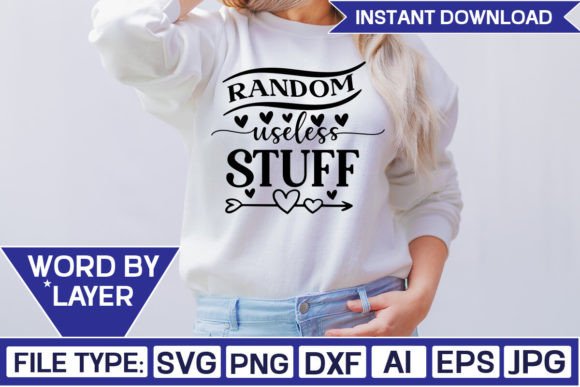
Random Useless Stuff: Graphics & Freebies Review
A Brand Designer's Take on Local Business Assets
I recently sat down to evaluate a new set of design assets for a client launching a small, artisanal candle brand in my neighborhood. The project required visuals that felt handmade yet professional, capable of standing out on a crowded shelf while maintaining a cohesive brand identity. That is when I came across Random Useless Stuff. At first glance, the name suggests a collection of whimsical, perhaps even chaotic elements, but as an experienced brand designer, I know that the most effective marketing visuals often come from unexpected sources. This review explores how these specific graphics can transform a generic local business into a memorable brand.
First Impressions and Brand Personality
The moment I opened the file structure, the mood was immediately apparent. Random Useless Stuff does not scream corporate or sterile; instead, it exudes a playful, organic energy perfect for boutique owners and handmade sellers. For a local coffee shop or a skincare line targeting a younger demographic, this asset library offers a distinct personality that feels approachable and human. It avoids the overused, generic clipart found on many free stock sites, offering instead a curated selection of illustrations that suggest creativity and care. If you are building a brand that values authenticity over rigid minimalism, these graphics provide the perfect texture to soften your visual hierarchy.
Practical Applications for Real World Projects
The true test of any graphic design asset lies in its versatility. In my work with product packaging, I found Random Useless Stuff incredibly adaptable. Imagine applying these SVG designs to the hang tags of a boutique clothing store or as decorative accents on the labels of a homemade soap business. The ability to layer these elements allows for complex compositions without losing clarity. For social media managers, these assets are gold mines for creating engaging posts that stop the scroll. Whether used as hero graphics on a website banner or as subtle background textures in promotional ads, they add depth to digital products that flat colors simply cannot achieve.
- Product Labels: Use these elements to frame ingredient lists or brand names on food packaging.
- Packaging Accents: Add them to box seals or wrapping paper for a seasonal campaign.
- Social Media Graphics: Incorporate them into Instagram stories to highlight new arrivals.
- Printable Inserts: Create unique thank-you cards that customers will actually keep.
- Menu Design: Decorate corners of restaurant menus to enhance the dining atmosphere.
Enhancing Professional Branding and Trust
Small business branding often struggles with the perception of being "amateur." One of the biggest hurdles for local entrepreneurs is achieving a look that commands respect and trust. By integrating high-quality assets like Random Useless Stuff, you elevate the perceived value of your physical products. A well-designed product label signals quality before the customer even touches the item. When you use consistent design assets across your packaging, business cards, and web design, you create a stronger emotional connection with your audience. This consistency builds better product recognition and improves customer trust, which are critical for long-term success in competitive markets.
Where These Graphics Shine Brightest
Not every design element works everywhere, and knowing where to deploy your resources is key. Random Useless Stuff excels in environments that benefit from character and warmth. I have seen these graphics perform exceptionally well on seasonal packaging, such as holiday gift sets for a bakery or limited-edition runs for a craft brewery. They also serve as excellent decorative brand elements in editorial design, adding life to blog posts or lookbooks. For creative entrepreneurs using Canva templates or other DIY tools, these vector files offer a level of customization that pre-made templates lack, allowing for a truly unique commercial design aesthetic.
Strategic Limitations and Cautionary Notes
However, even the best assets require careful application. There are scenarios where Random Useless Stuff should be used with extreme caution. If you are designing for a formal corporate entity or a luxury minimalist brand, these playful elements might clash with the desired tone of sophistication. Additionally, avoid placing intricate details on very small labels where they may become indistinguishable upon printing. Crowded product packaging is another pitfall; if the design competes with important text or legal information areas, it will fail its primary purpose. Always ensure there is sufficient contrast between the graphics and the background to maintain readability and visual impact.
Technical Evaluation and Workflow Integration
From a technical standpoint, the deliverables are robust for professional use. The package includes an Adobe Illustrator source file and an SVG file, which is crucial for scalability. Unlike low-resolution PNGs that pixelate when enlarged, these vector formats allow you to resize the graphics for anything from a tiny sticker to a massive billboard without losing quality. Before finalizing any design, I always recommend testing the assets on real packaging mockups to see how they interact with light and texture. Check the black and white usage to ensure the shapes hold up in monochrome print jobs. Furthermore, preview the designs alongside various font styles—serif, sans serif, script, and display—to find the perfect typographic pairing.
Licensing and Commercial Viability
For any serious business owner, understanding the licensing terms is non-negotiable. While these items are categorized as Freebies, it is vital to confirm the commercial license details before using them for client work or selling physical products. You want to ensure you have the right to modify the files and use them in unlimited quantities for your brand identity. Once verified, these graphics become a powerful tool in your arsenal. They represent a cost-effective way to access premium-quality design assets that would otherwise require expensive custom illustration work.
Final Thoughts for the Creative Entrepreneur
In conclusion, Random Useless Stuff offers a surprising amount of value for those looking to inject personality into their small business branding. It bridges the gap between generic stock imagery and bespoke illustration, providing a flexible foundation for packaging design, marketing visuals, and digital content. Whether you are a florist crafting a spring catalog or a food seller designing a new jar label, these graphics can help you tell your story more effectively. By leveraging these tools wisely, you can create a polished, professional presence that resonates with your local community and stands the test of time.