Give It to God: A Designer's Review for Real Projects
As a designer who has spent years navigating the intersection of digital files and physical thread, I approach every new asset with a critical eye. When I first opened the Give It to God file package, my immediate goal wasn't just to admire the aesthetic; it was to determine if this design could survive the rigors of a commercial embroidery project. In the world of handmade goods, a beautiful graphic on a screen is only half the battle. The real test happens when that image meets fabric, stabilizer, and the mechanical precision of an embroidery machine.
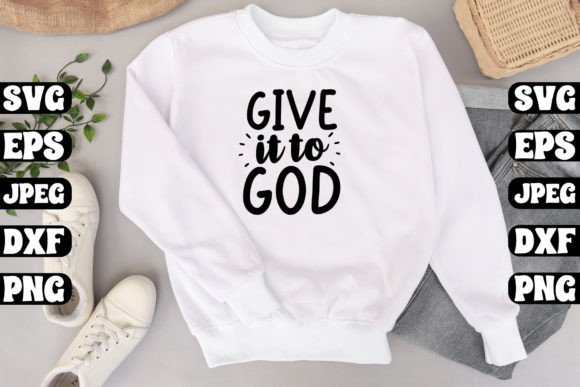
The phrase Give It to God carries a weight of comfort and surrender that translates beautifully into text-based designs. Visually, the typography in this Graphics collection feels balanced and legible, which is the single most important factor for any successful machine embroidery design. Unlike overly ornate scripts that can turn into muddy blobs when stitched, this layout maintains clear negative space. This suggests that the stitch density will remain manageable even on standard hoop sizes, preventing the common issue of puckering on delicate fabrics.
From Screen to Stitch: A Practical Tote Bag Scenario
To truly understand the potential of Give It to God, let's walk through a realistic production scenario. Imagine you are preparing a line of custom tote bags for a local boutique or your own Etsy shop. These bags are made of heavy canvas, a textured fabric that demands a design with enough presence to stand out but not so much detail that it gets lost in the weave.
I visualize placing this design on the front panel of a natural-colored canvas tote. Because the file includes high-resolution formats like PNG Transparent and EPS, scaling the design to fit a 5x7 inch hoop is straightforward. When I mentally simulate the stitching process, I see the bold lettering working exceptionally well with a dense fill stitch in a contrasting thread color, perhaps a deep navy or charcoal gray. The clarity of the letters ensures that even from a distance, the message is readable, which is crucial for customer engagement at craft fairs or online listings where photos are often viewed on small screens.
This specific application highlights why Give It to God is such a strong contender for custom apparel. It isn't just a decoration; it acts as a statement piece. For a small shop product like a tote bag, the design elevates the perceived value of the item. Customers aren't just buying a bag; they are buying a sentiment that resonates with their personal faith. The professional finish of the embroidery, driven by a clean embroidery file, builds trust in your brand as a maker who cares about quality.
Navigating Fabric Challenges and Design Limitations
While the versatility of this design is impressive, experienced decorators know that no single asset works perfectly on every surface without adjustment. If you plan to use Give It to God for baby embroidery on soft cotton onesies, you must be cautious. The sharp corners of the typography require precise running stitch outlines to prevent fraying over time. On stretchy knit fabrics, the tension can distort the straight lines of the text. In these cases, using a tear-away stabilizer and testing the design on scrap fabric first is non-negotiable.
Similarly, consider the challenge of dark fabric. While the design looks crisp on light backgrounds, stitching white thread directly onto black denim or fleece requires careful planning. You may need to add a backing layer of satin stitch or a tonal underlay to ensure the letters pop. Without this extra step, the thread colors might appear dull, diminishing the impact of the finished product. Always review your printable mockup in both light and dark variations before committing to a full production run.
Another area requiring attention is the hoop size. If you are attempting to fit this design into a very small hoop for a cap patch or a keychain, the letter spacing might become too tight. This compression can lead to thread breakage or overlapping stitches that ruin the legibility of the phrase. For smaller applications, you might need to simplify the design or opt for a different font weight if available. Always inspect small details closely on your computer screen before sending the job to the machine.
Maximizing Value for Craft Businesses and Sellers
For the Etsy seller or creative entrepreneur, the inclusion of multiple file formats—SVG, DXF, PDF, and more—is a significant advantage. While these files are primarily compatible with cutting machines like Cricut and Silhouette Cameo, they also serve as excellent references for creating digital embroidery files. Many designers use vector paths to trace and digitize their own stitch patterns, ensuring perfect control over stitch direction and density.
If you are selling finished products, the ability to offer this design across various mediums expands your inventory. You can create an embroidered patch version for jackets, apply it to kitchen towels for home decor, or feature it on sweatshirt embroidery for holiday gifts. The consistent visual identity of Give It to God helps maintain brand consistency across your entire catalog. Whether it is a personalized gift for a church group or a standalone item in your boutique, the design communicates professionalism and care.
However, remember that being part of the Freebies category does not automatically grant unlimited commercial rights. As a responsible business owner, you must confirm the licensing terms before selling items featuring this design. Some free assets are for personal use only, while others allow for limited commercial sales. Misunderstanding these terms can lead to legal issues that threaten your craft business. Always read the license agreement carefully and keep records of your permissions.
Final Thoughts on Execution and Quality
In conclusion, Give It to God stands out as a reliable asset for designers looking to add meaningful text to their projects. Its clean lines and strong typographic structure make it suitable for a wide range of embroidery projects, from simple tote bag designs to complex commercial embroidery runs. By paying attention to fabric texture, stabilizer choice, and proper scaling, you can ensure that the final result matches the high standards your customers expect.
The true value of this design lies in its adaptability. It invites creativity while providing a solid foundation for execution. Whether you are a hobbyist making gifts for family or a seasoned decorator running a full-scale operation, taking the time to test and refine your setup will yield the best results. When executed correctly, this design does more than decorate; it connects with the wearer on a deeper level, turning a simple garment into a cherished keepsake.